
The stories worth reading aloud.
Bible stories and the classics, each one teaching a virtue.
Free to look around. No card to browse.
Story time that shapes the heart.
Classic stories and Bible stories, each teaching a virtue.
Free to look around. No card to browse.
Tonight’s story is ready.
One for tonight
The Secret Garden
Chapter 1 · 13 min · Patience
A classic or a Bible story every night, with the virtue it teaches.
Free to look around. No card to browse.
200+ stories your kids will remember.
Bible stories and the classics, read aloud or read together.
Free to look around. No card to browse.
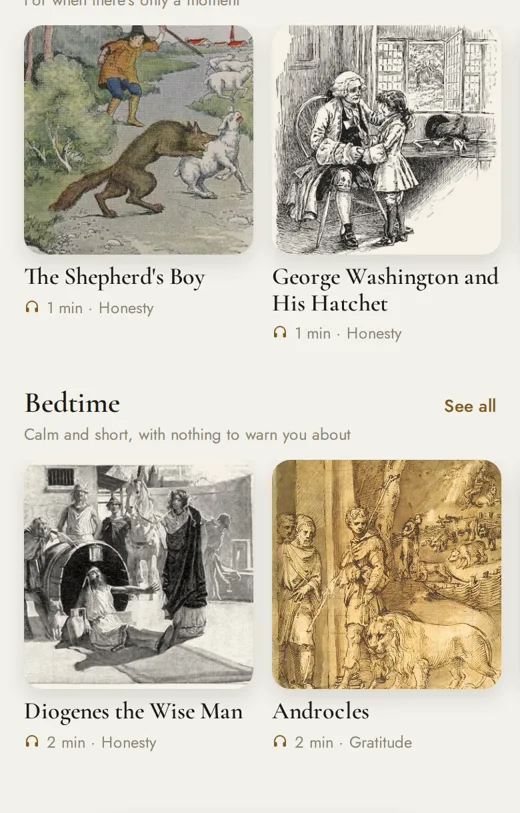
Take a look at the stories.
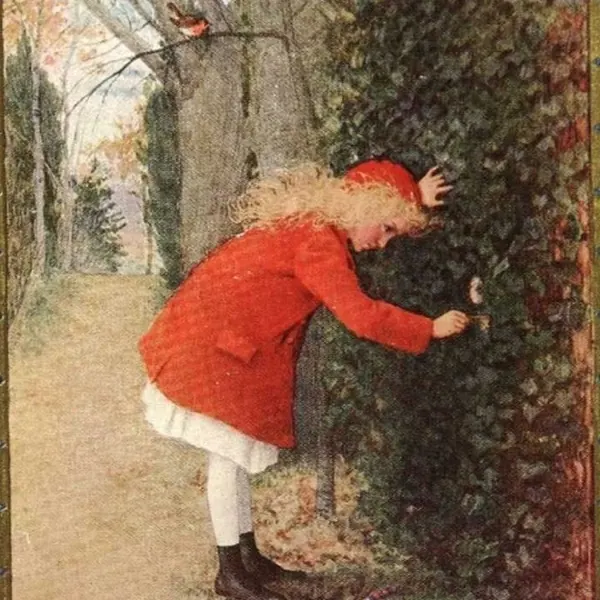 Patience
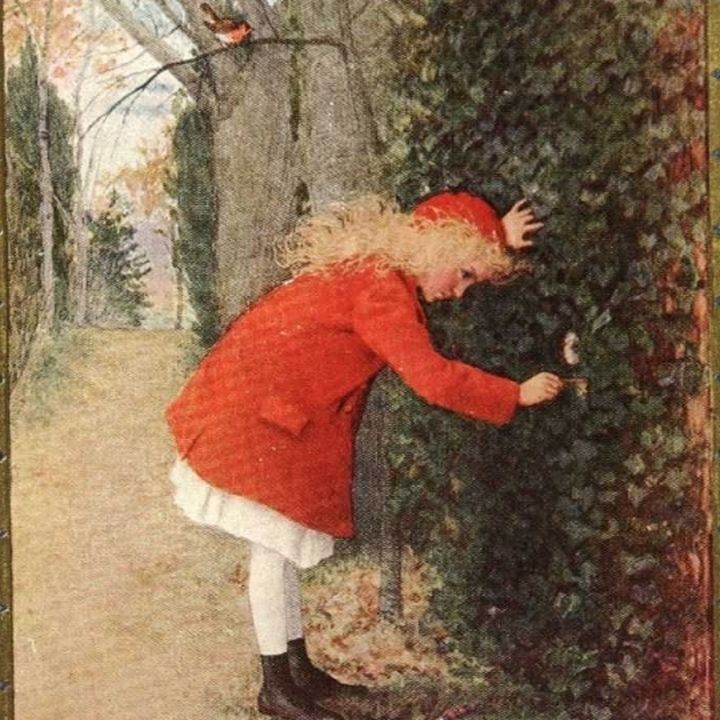
The Secret Garden
Frances Hodgson Burnett
Things that can only grow slowly, children included.
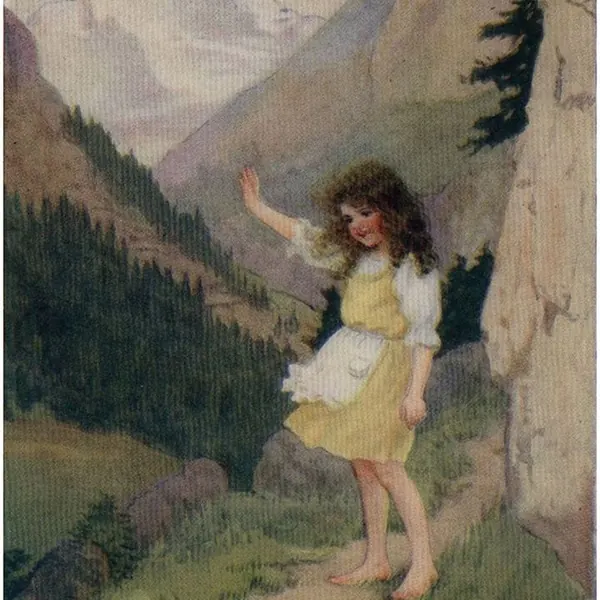 Loyalty
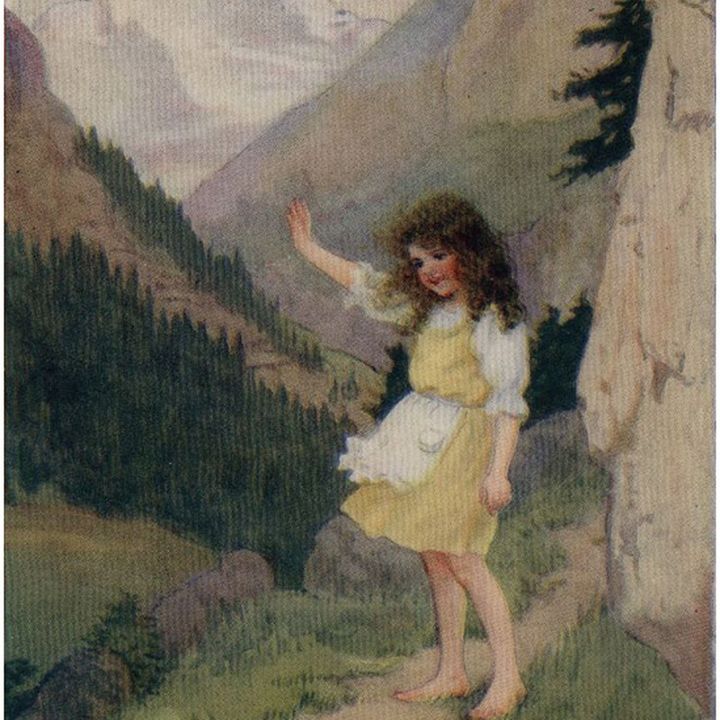
Heidi
Johanna Spyri
Friendship that stays true, even far from home.
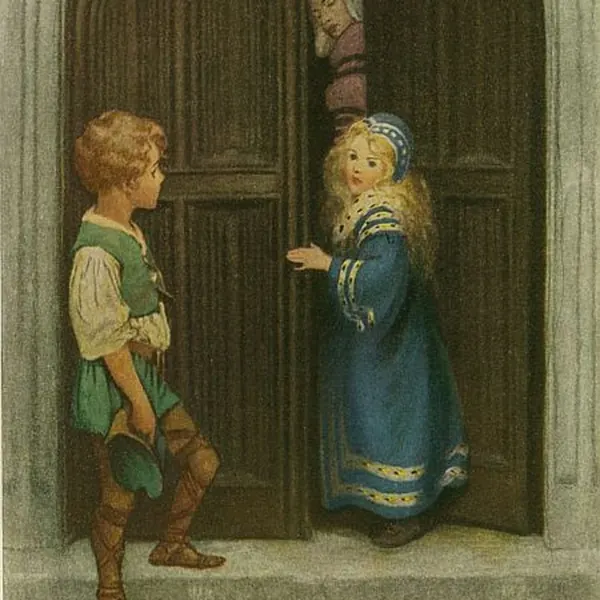 Honesty
The Princess and the Goblin
George MacDonald
Telling the truth, and keeping your word, when no one believes you.
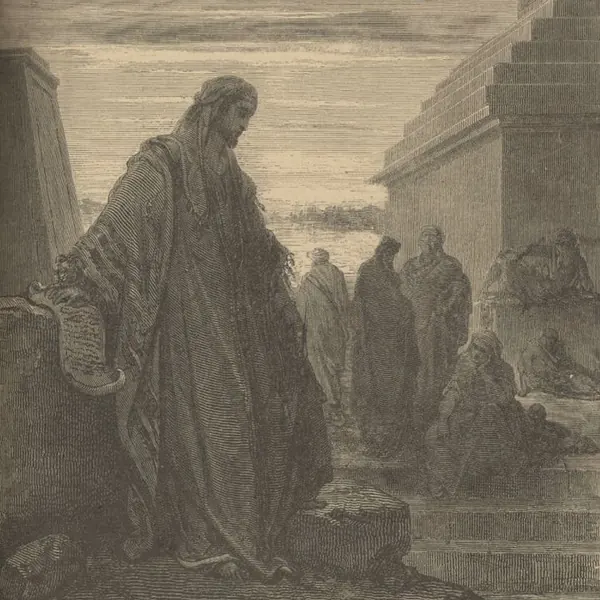 Self-control
Daniel and the King’s Food
Daniel 1
Saying no to the king’s food, politely.
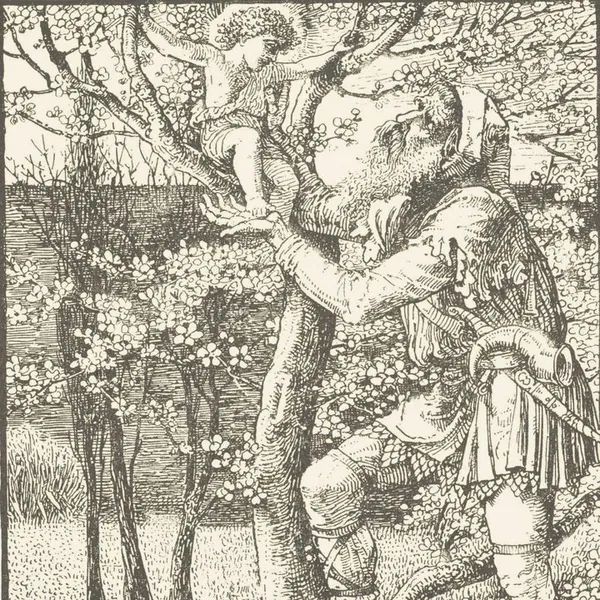 Generosity
The Selfish Giant
Oscar Wilde
How a closed heart opens.
Bible stories and the great classics, each chosen for the virtue it teaches.
The house will be quiet someday.
You won’t remember the cartoon dog. You’ll remember whether you gave them something true.
Between five and twelve, you get 84 months of bedtime stories.
Each light is a month. The gold one is this month.
Make tonight one of the good ones.
Inside a Bible story
We did the preparing. You do the reading.
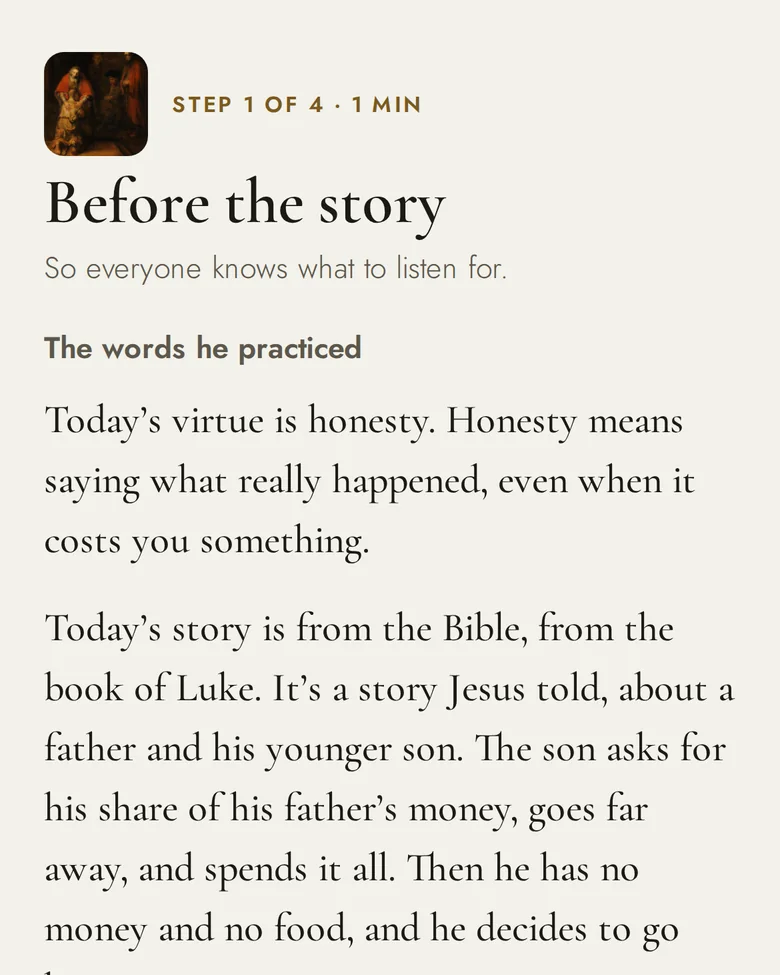
1A minute before
So everyone knows what to listen for.
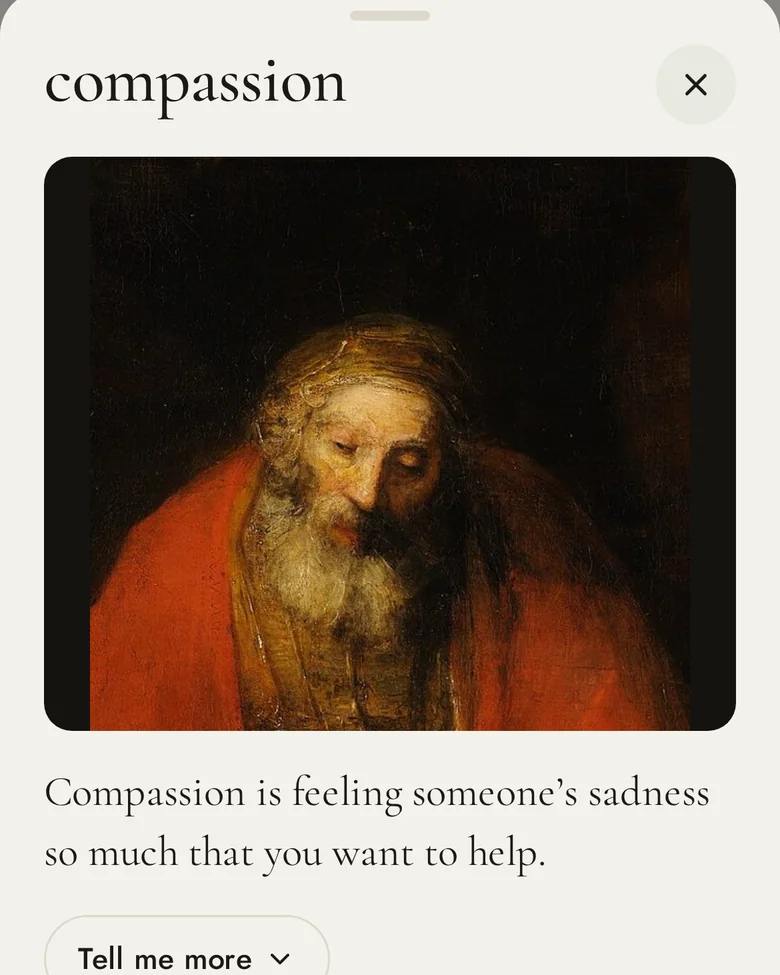
2Words made simple
Tap a word for a meaning a child can hold.
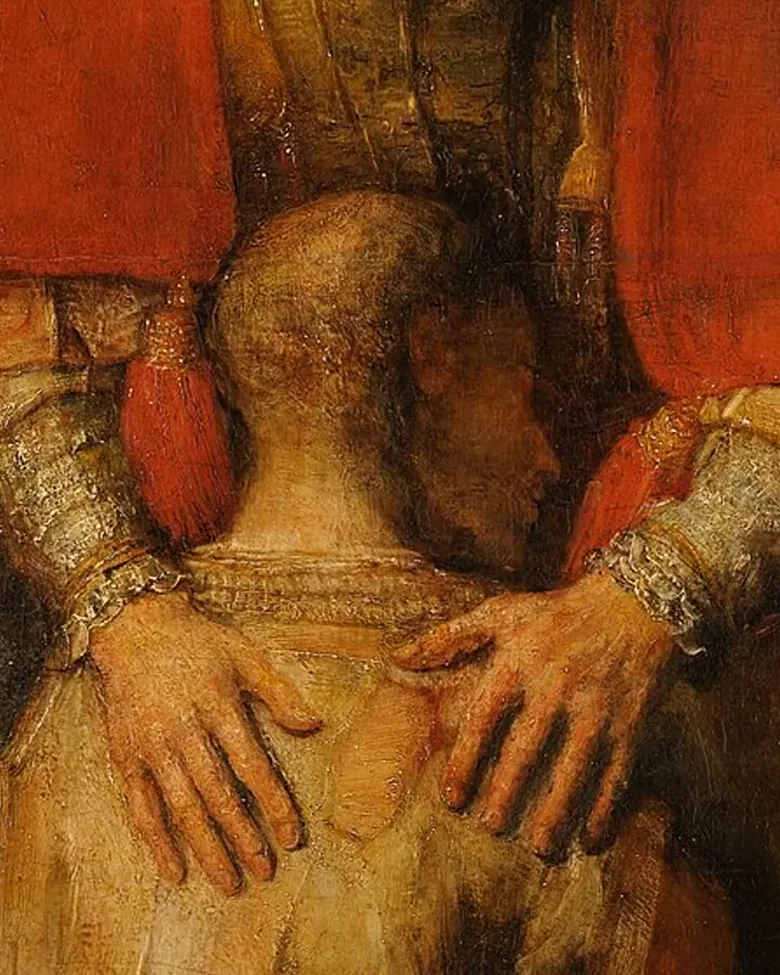
▶ Tour · 1 minNow look at his two hands, resting on his son’s back. 3A tour of the painting
A one-minute guided look, made for kids.
Why stories
Jesus taught in stories. So can you.
He didn’t define mercy. He told about a father who ran to meet his son.
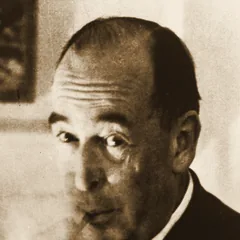
Since it is so likely that they will meet cruel enemies, let them at least have heard of brave knights and heroic courage.
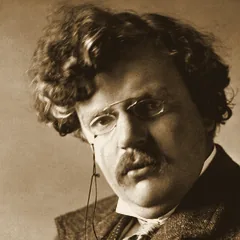
What fairy tales give the child is his first clear idea of the possible defeat of bogey.
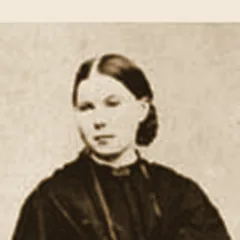
The mind feeds on ideas, and therefore children should have a generous curriculum.
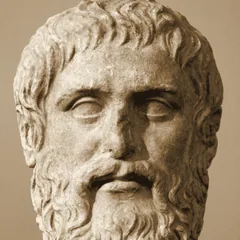
The beginning is the most important part of any work, especially in the case of a young and tender thing; for that is the time at which the character is being formed.
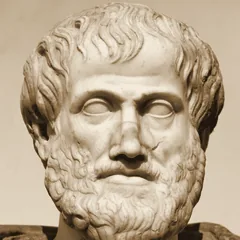
Men come to be builders, for instance, by building; harp-players, by playing on the harp: exactly so, by doing just actions we come to be just.
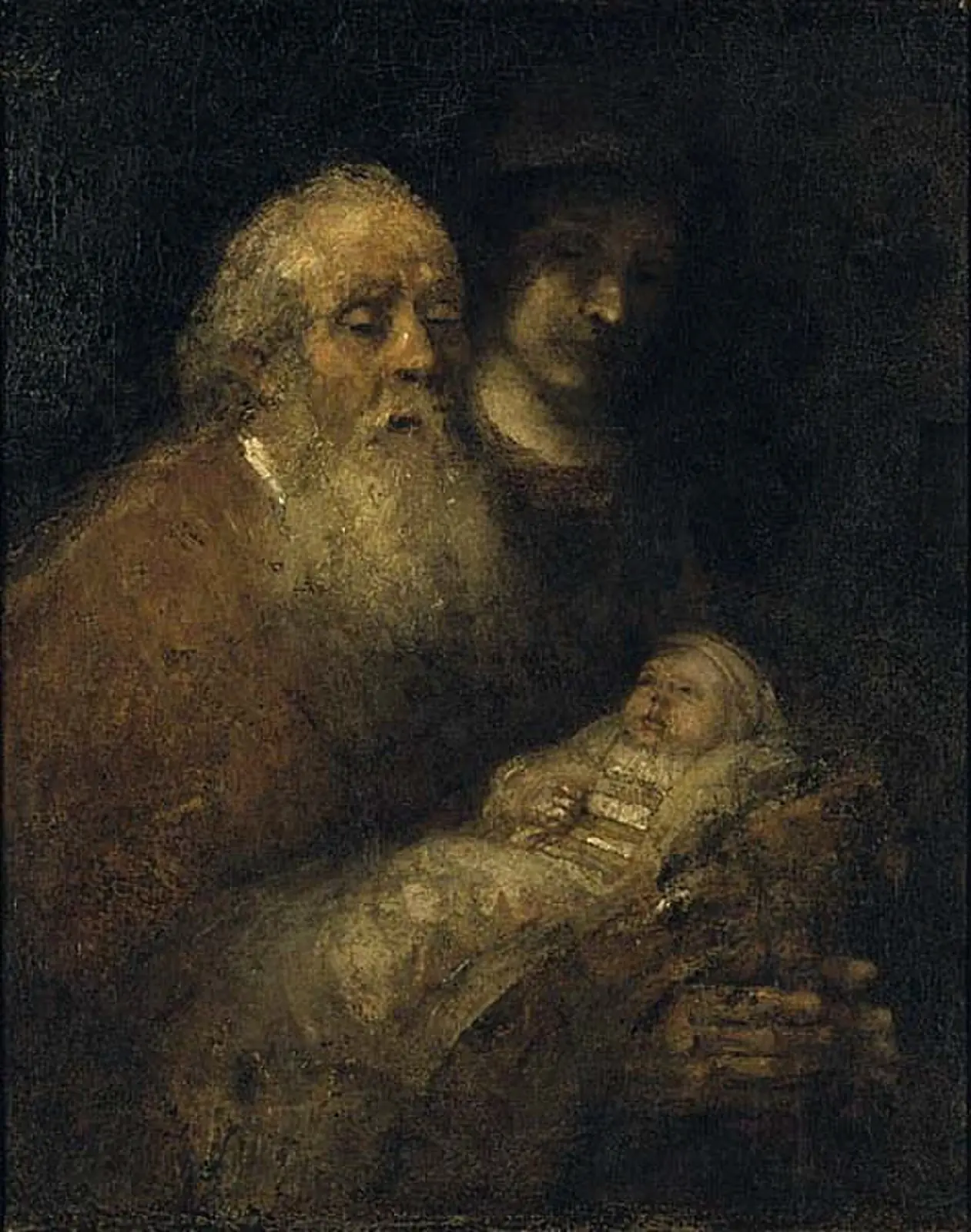
Rembrandt, Simeon in the Temple, 1669
Character is the inheritance.
Whatever is true, whatever is honorable, whatever is right, whatever is pure, whatever is lovely… think on these things.
Philippians 4:8
Harmless isn’t the same as good.
And harmless is a low bar for one of a thousand nights.
The library is a lottery. Bedtime shouldn’t be.
A family treasury
The way it was done for generations.
Families loved The Book of Virtues because someone they trusted did the choosing. Manor does the same, for bedtime.
Seven nights, on us.
- Tonight
Every story opens, for every child in your home.
- Night 4
We email you a reminder.
- Night 7
Keep going, or cancel in the app.
Free for your first week, for your whole family.
Start your free weekNo commitment. Have a code? Enter it on the next screen.
Questions parents ask
Is Manor Christian?
Yes. Bible stories sit at the center, told the way Scripture tells them, from the Berean Standard Bible. Around them are the fables, fairy tales, poems and paintings Christian families have loved for generations. Doctrine we leave to you and your church.
What ages is it for?
The lessons are written for children about 7 and under, and older levels are on the way. The library reaches further, up to chapter books like Winnie-the-Pooh.
Isn’t this more screen time?
Not for your child. You hold the phone and read; your child listens, looks at the painting and talks.
How long does it take?
About ten minutes an evening. There’s nothing to prepare and no schedule to fall behind on.
Do I need to buy anything?
No. Every story is in the app.
Can I try it first?
Yes. Look around the stories and lessons for free, then start a free week when you're ready. We email you 3 days before the week ends, and you can cancel anytime in the app.
The longer story: why we built Manor →
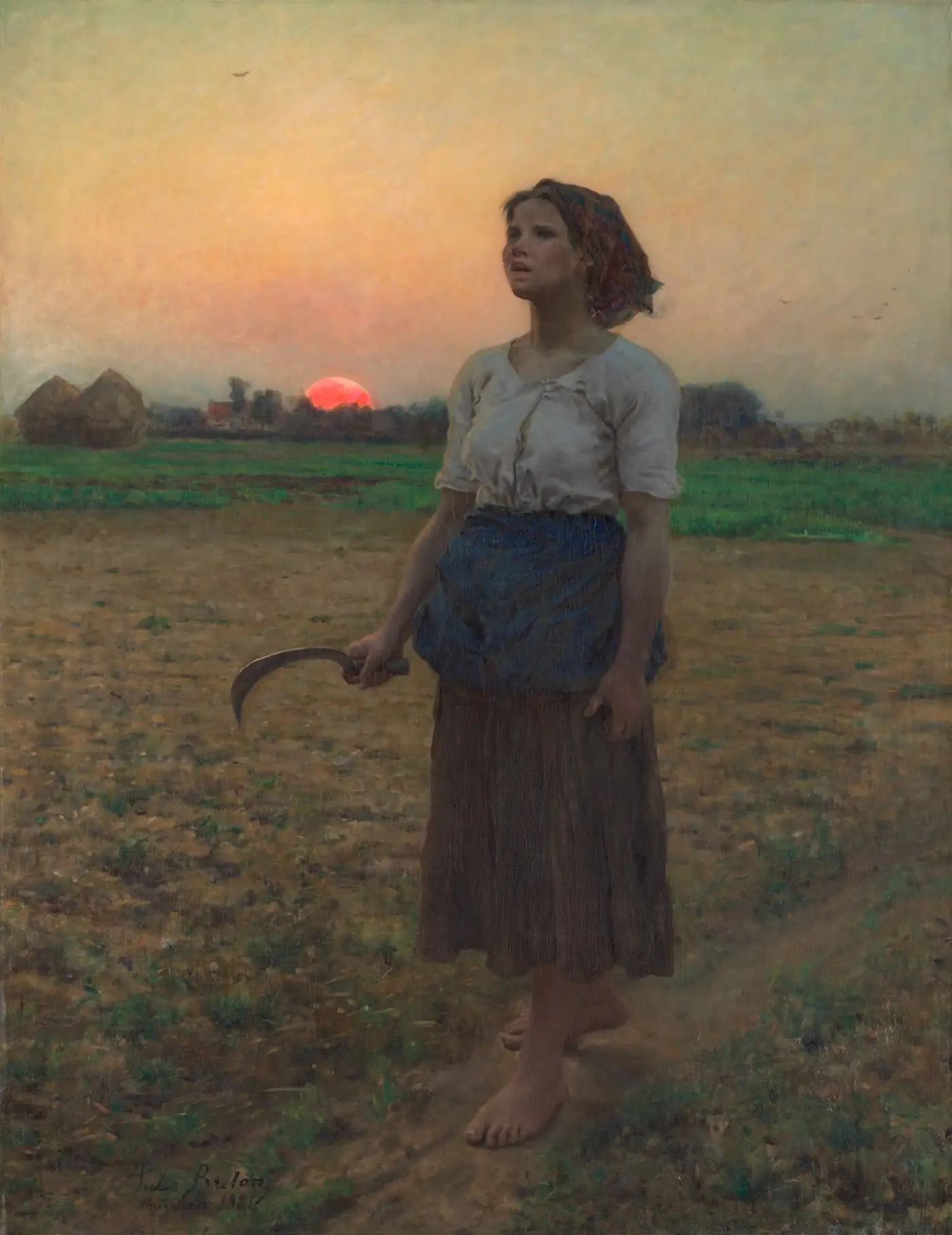
Jules Breton, The Song of the Lark, 1884
“Train up a child in the way he should go, and when he is old he will not depart from it.” Proverbs 22:6